

On the morning of 1 July 2026, at 08:00 a.m., at the meeting room of the Department of Industry and Commerce, the Secretariat of the Trade and Transport Facilitation Committee of Bolikhamxay Province organized a dissemination meeting on regulations and procedures related to the issuance of Certificates of Origin through the E-CO system, phytosanitary certificates, and import permits for consumer goods.
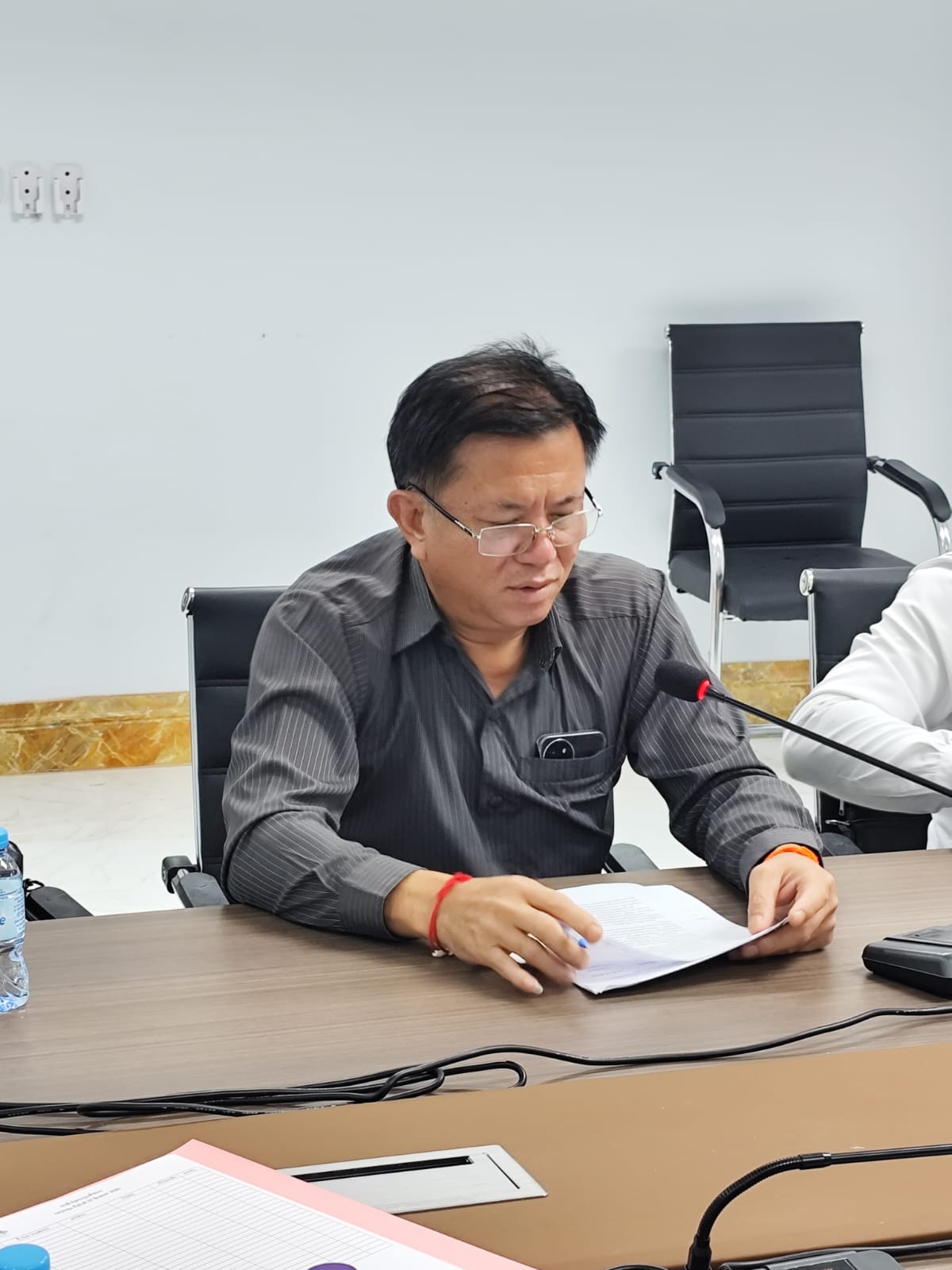
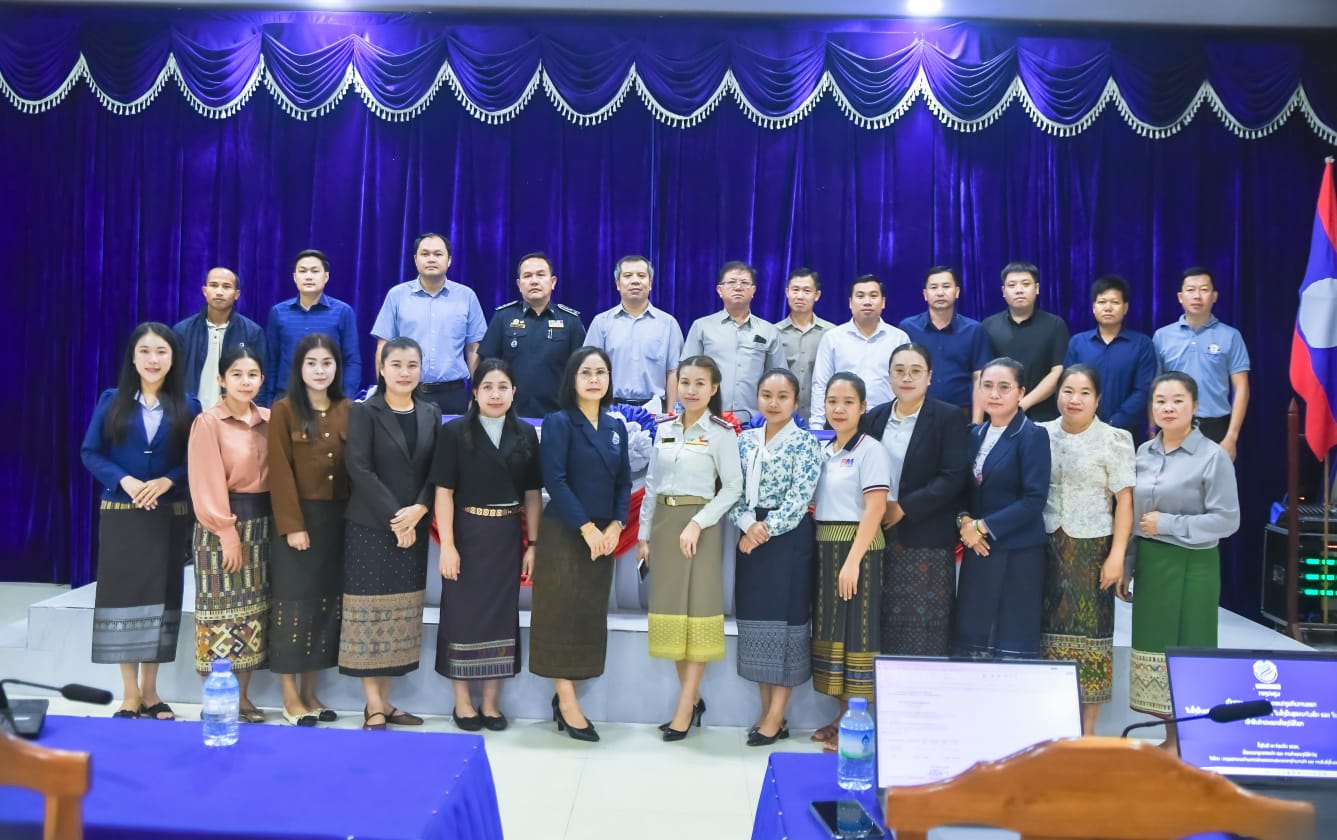
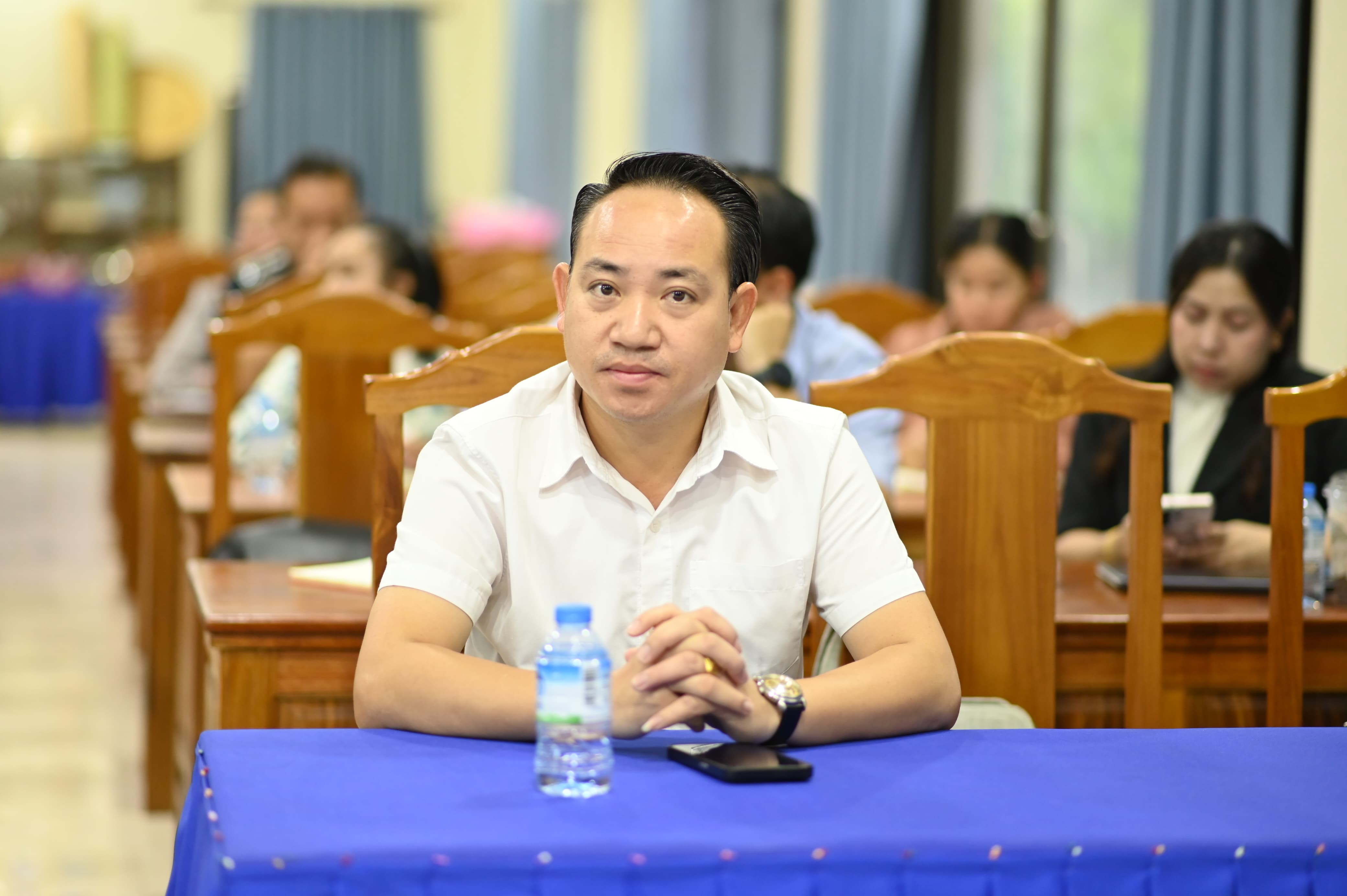
The meeting was chaired by Mr. Phosone Thalaphone, Deputy Head of the Provincial Department of Industry and Commerce, attended by a total of 31 participants, including 16 women. Participants included representatives from the Department of Foreign Trade, the Provincial Department of Agriculture and Environment, the Provincial Department of Health, the Provincial Tax Office, the Provincial Department of Public Works and Transport, the Provincial Customs Office, the Provincial Chamber of Commerce and Industry, as well as representatives from companies, factories, and entrepreneurs engaged in import and export activities.
The main objective of the meeting was to disseminate information and strengthen understanding among government sectors, the business community, companies, factories, and entrepreneurs regarding regulations, procedures, and public service mechanisms related to trade facilitation, import, and export operations. The key topics covered included the issuance of Certificates of Origin through the E-CO system, the issuance of phytosanitary certificates, the issuance of food and drug certificates for imported consumer goods, import permits for consumer goods, and the registration of importers and exporters.
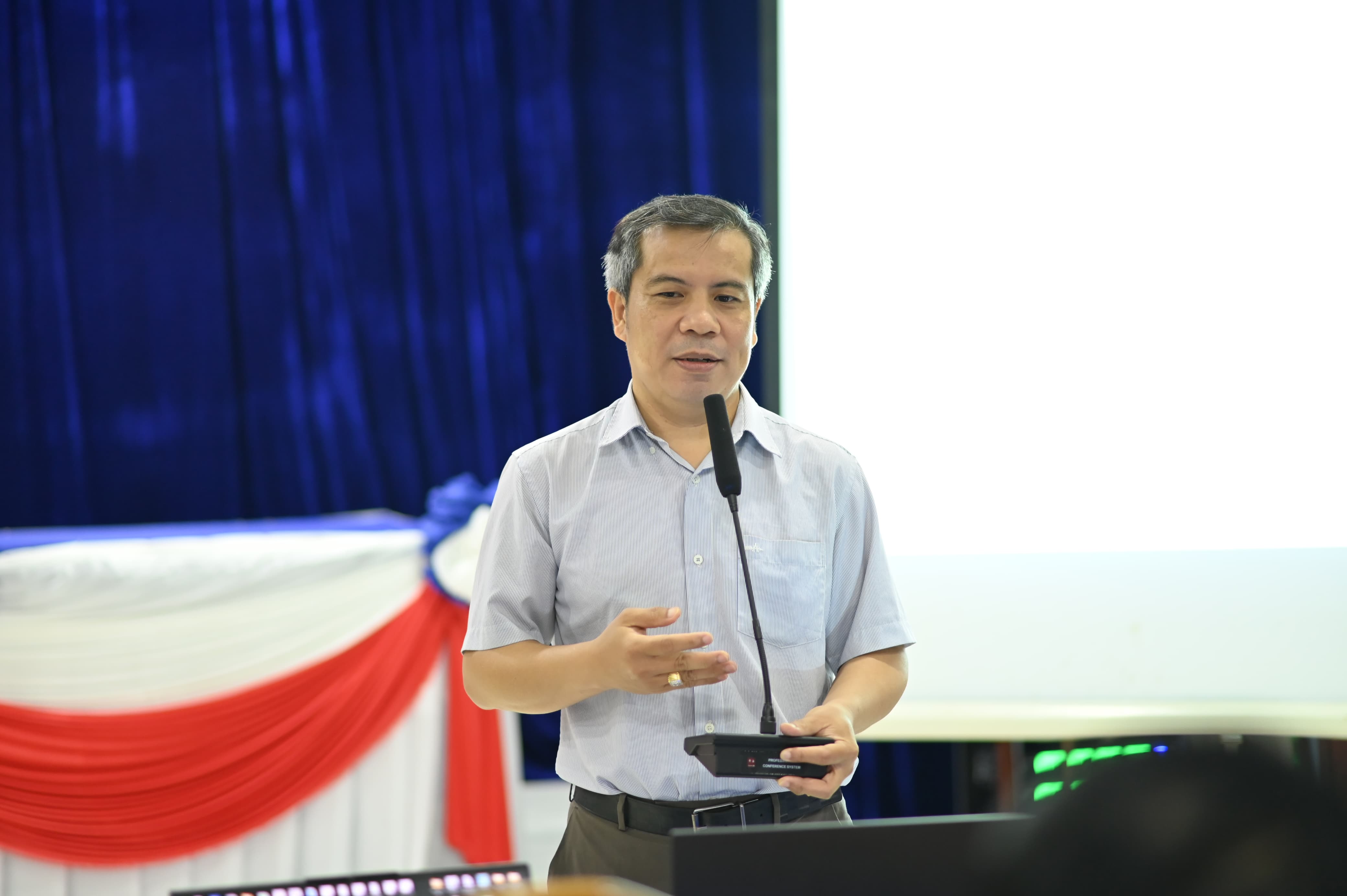
During the meeting, technical speakers and representatives from relevant sectors presented and explained matters related to their respective areas of responsibility. In particular, Mr. Phoxay Inthaboualy, representative of the Division for Management of Certificates of Origin, Department of Foreign Trade, Ministry of Industry and Commerce, delivered a presentation on the issuance of Certificates of Origin through the E-CO system.
Mr. Phoxay Inthaboualy explained that the E-CO system is an important electronic mechanism for modernizing government services, making them faster, more transparent, and more verifiable. The use of the E-CO system for issuing Certificates of Origin not only helps reduce administrative procedures and operational costs, but also contributes to improving the accuracy, reliability, and transparency of trade-related data.
Certificates of Origin are important documents used to certify the origin of goods. They enable exported goods to benefit from preferential tariff treatment under trade agreements and help enhance the competitiveness of Lao products in international markets. Therefore, understanding the procedures, conditions, and required supporting documents for applying for Certificates of Origin is an essential foundation for importers and exporters.
In addition, the meeting also disseminated regulations and procedures related to the issuance of phytosanitary certificates. This certification is an important scientific measure for controlling and preventing the cross-border spread of plant pests, ensuring agricultural safety, and building confidence in destination markets. The certificate confirms that plant products or plant-based goods have been inspected in accordance with technical standards and meet the requirements of the importing country.
For the topics related to the issuance of food and drug certificates for imported consumer goods, import permits for consumer goods, and registration procedures, the speakers provided explanations to help entrepreneurs understand the principles, procedures, conditions, and necessary supporting documents. These mechanisms play an important role in managing the quality of goods, ensuring consumer safety, and promoting lawful import activities in line with applicable regulations and standards.
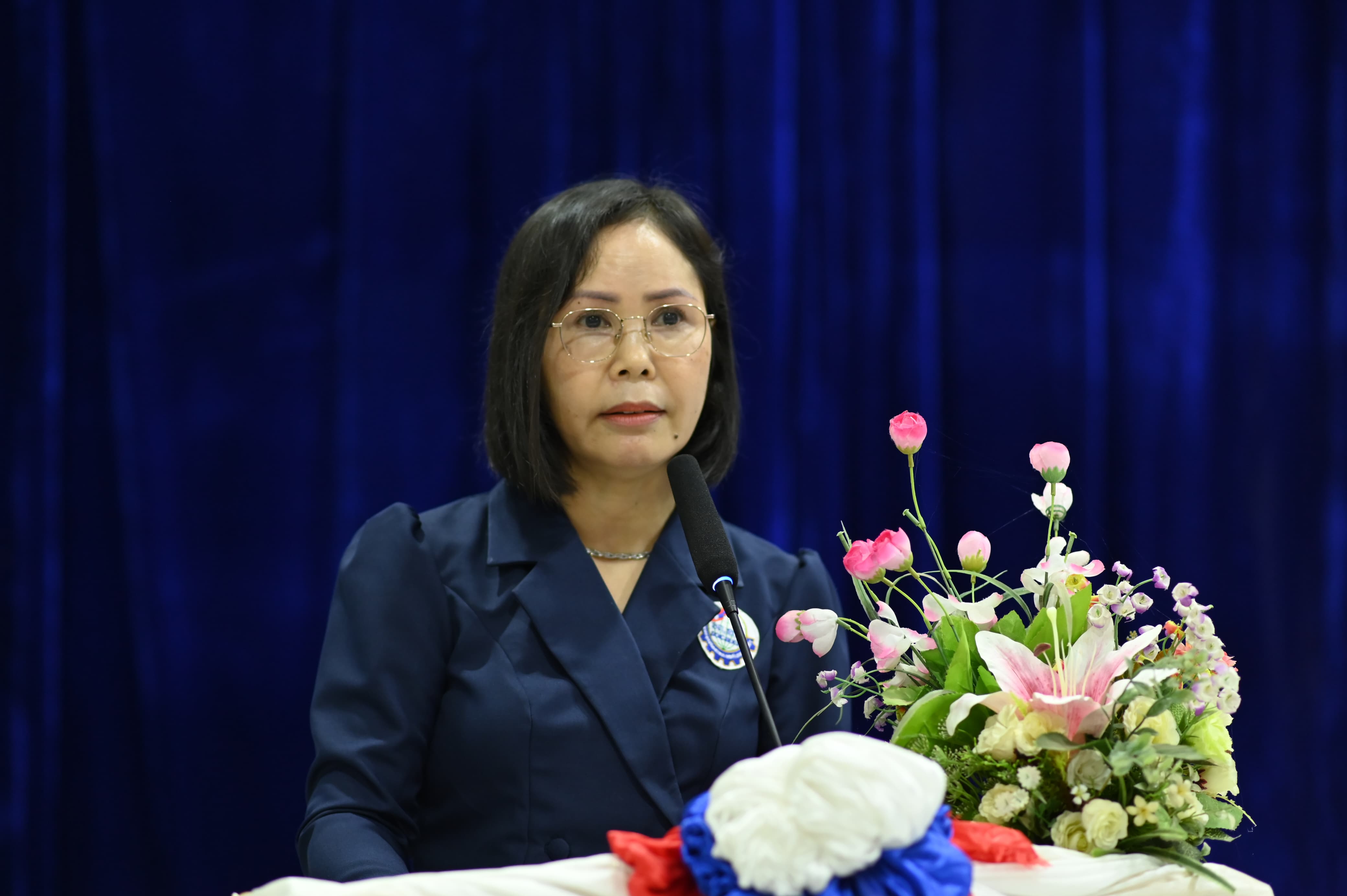
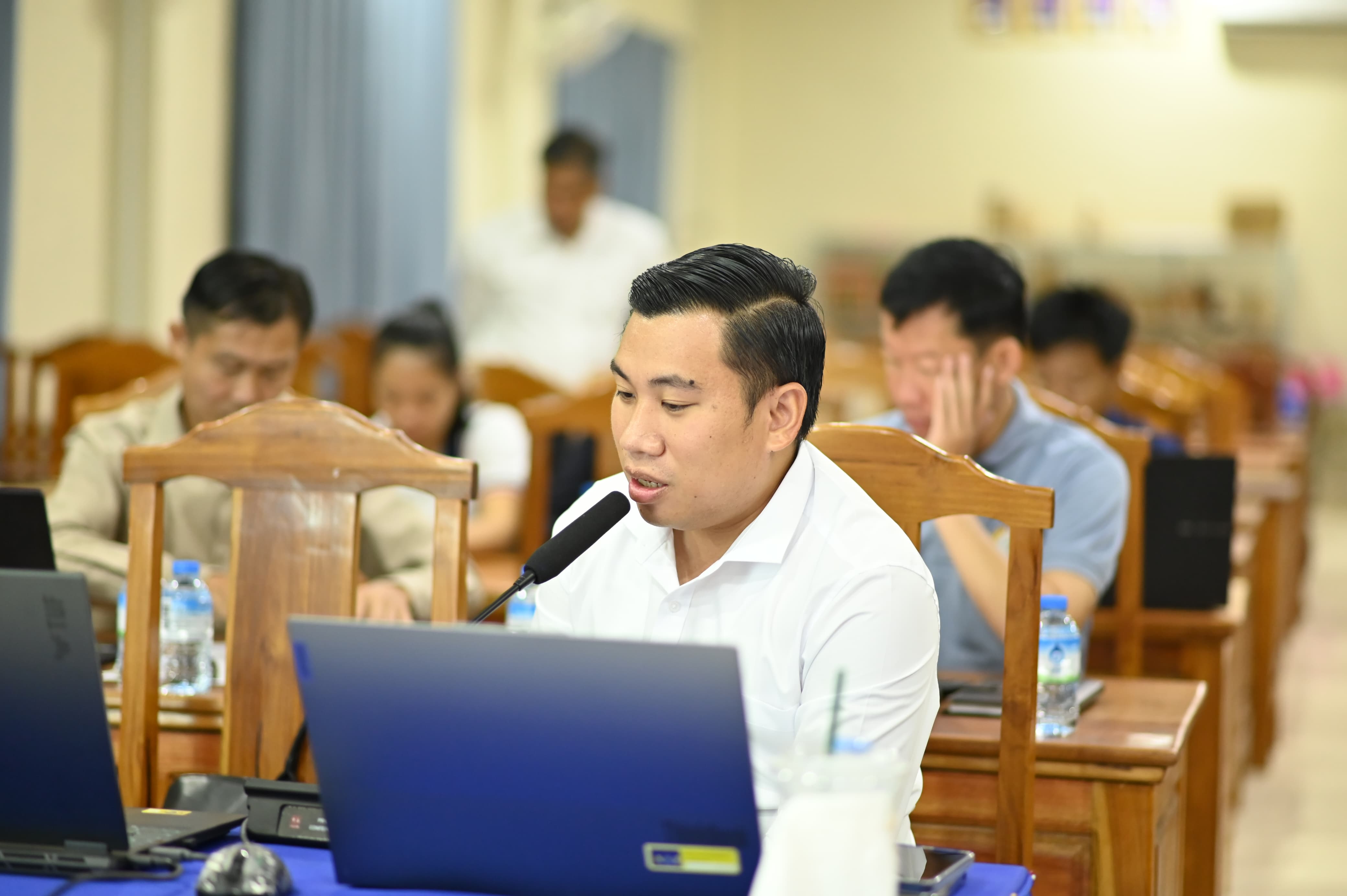
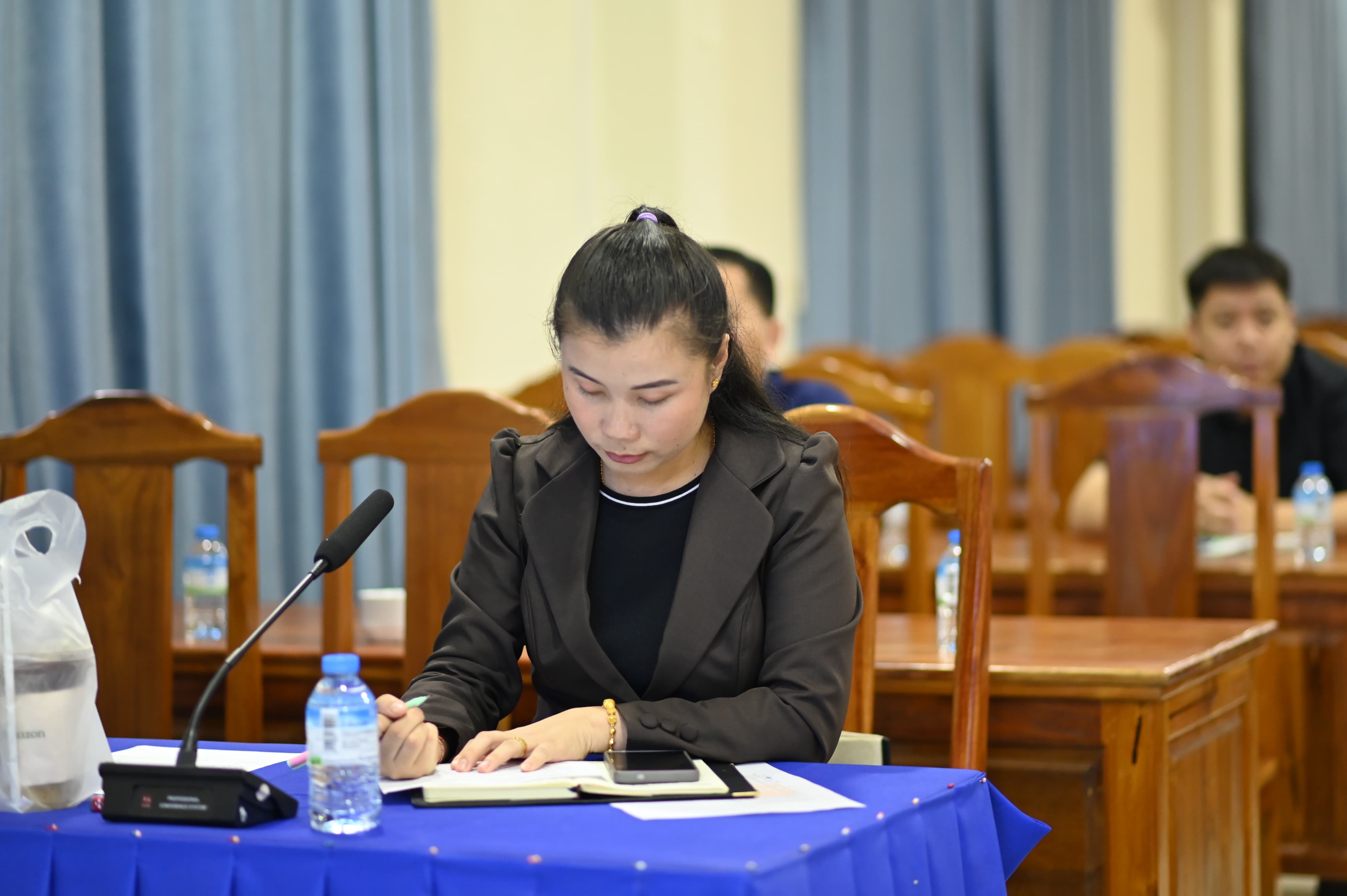
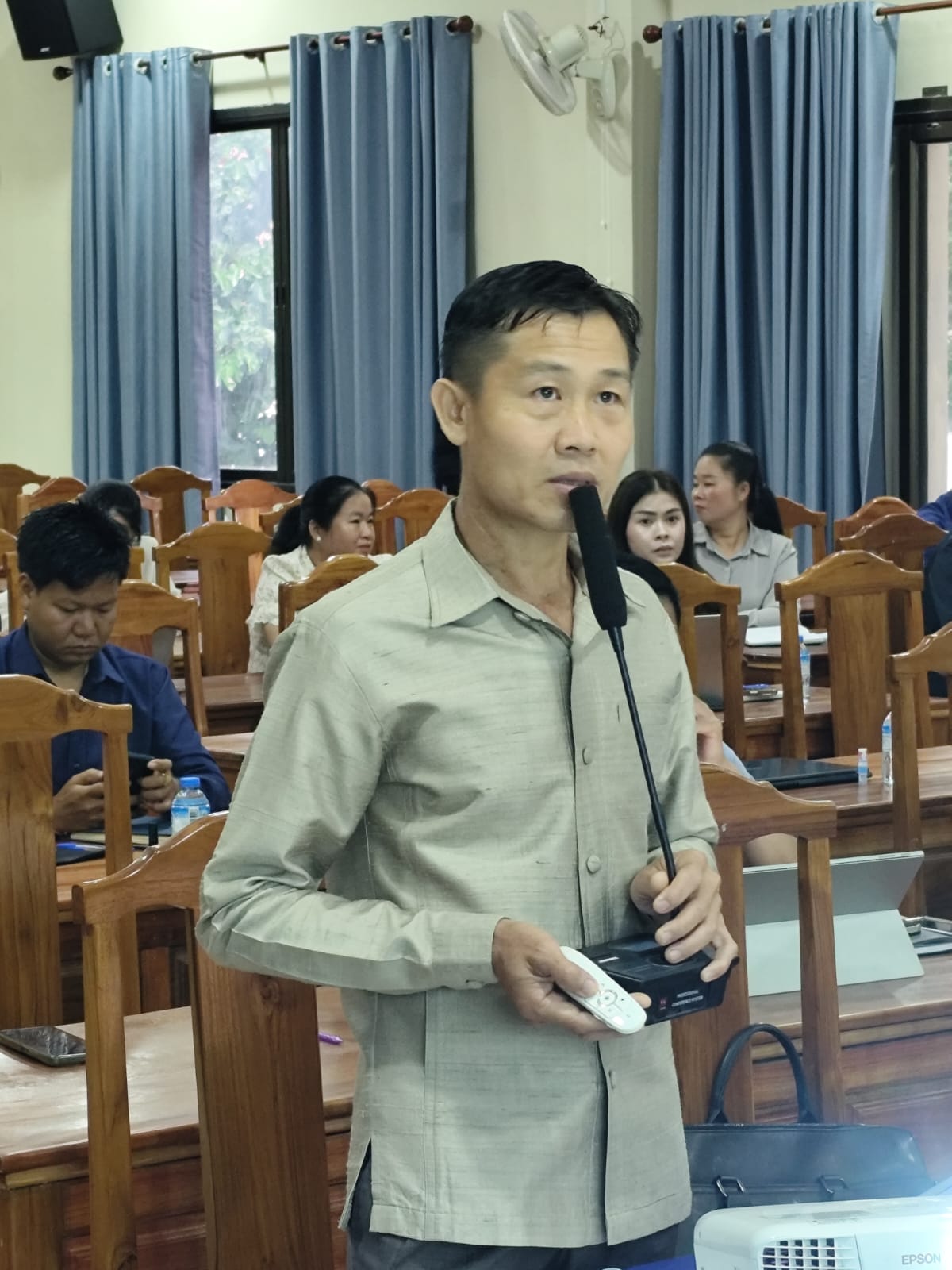
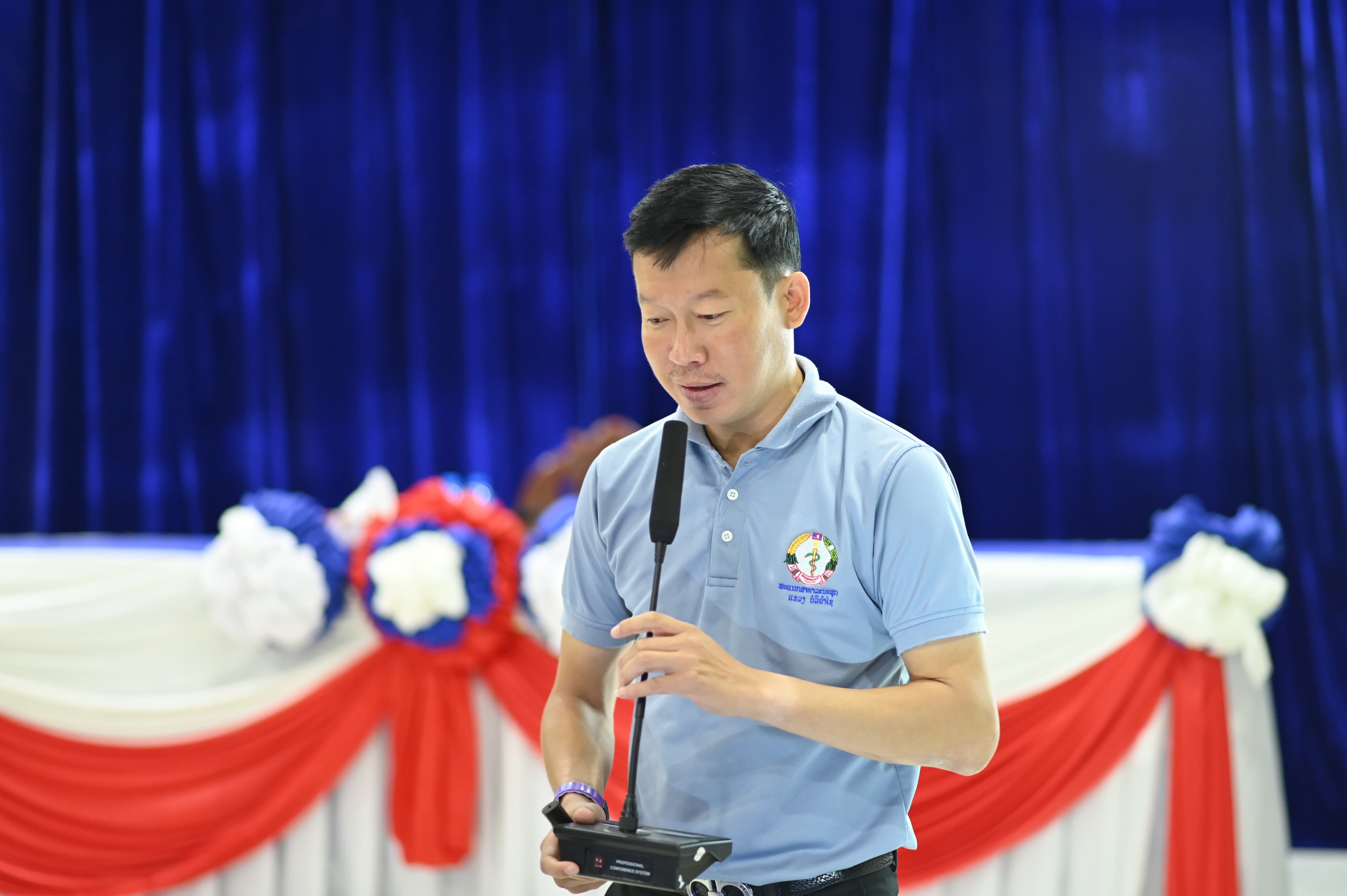

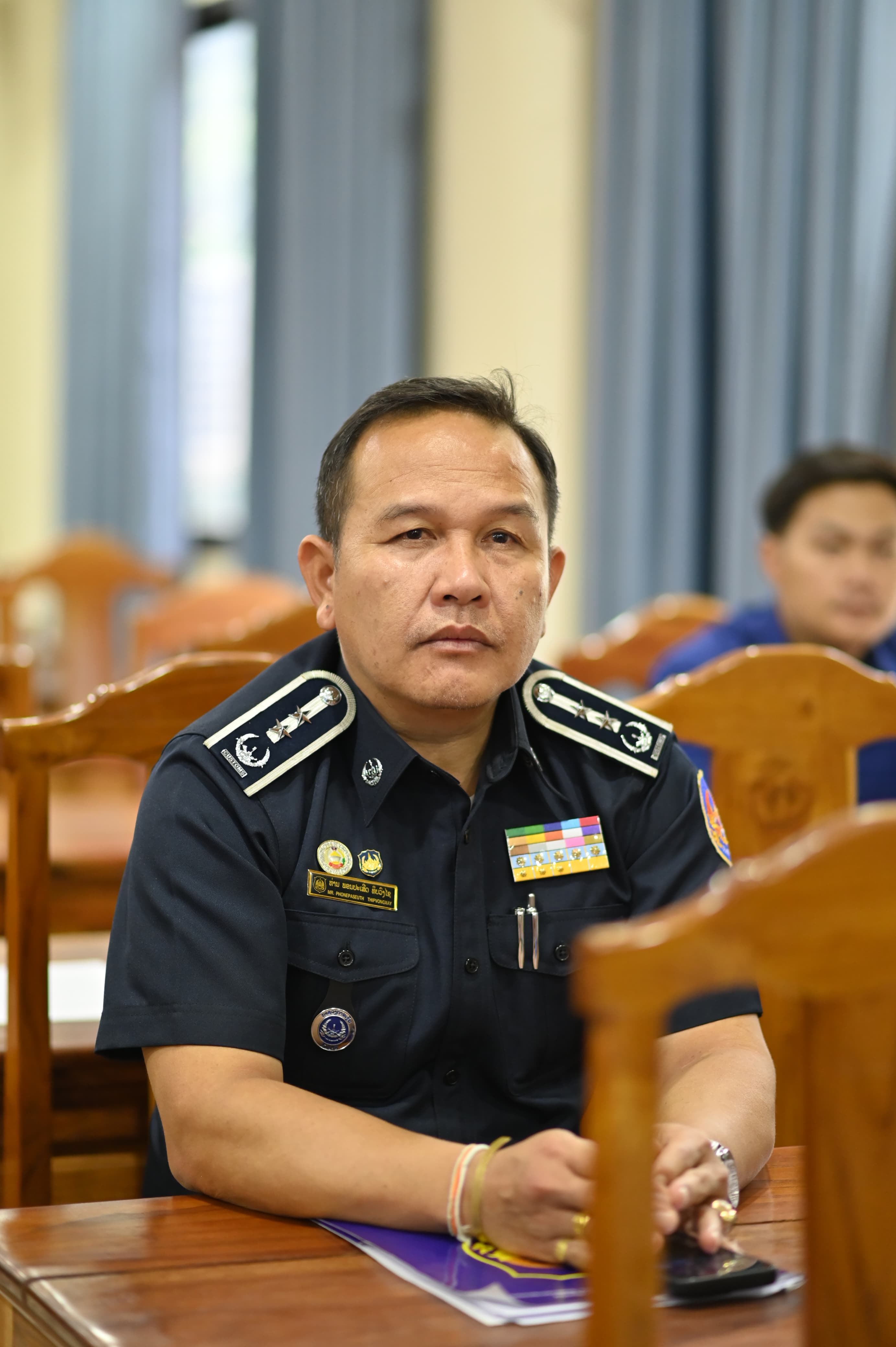
The meeting was conducted in an active and constructive atmosphere, with comments and opinions shared by relevant sectors, the business community, companies, factories, and entrepreneurs. Participants discussed advantages, difficulties, and remaining challenges that continue to affect import and export procedures. The meeting also provided a question-and-answer session, allowing entrepreneurs to raise practical issues and receive direct clarification from the responsible sectors.

Please share your feedback below and help us improve our content.